Broadcast studios represent one of the most demanding tenant classes in commercial property. They're reshaping how landlords think about leasing, fit-outs, and long-term tenancy commitments. Unlike generic office users, serious broadcast tenants bring a unique set of requirements that landlords and brokers must understand — especially when it comes to power infrastructure.
The Tenant Class Reshaping Commercial Leasing
Companies like OfficeFinder and specialist brokers focused on high-tech tenants have noticed a steady rise in broadcast, media, and content production firms securing large, fixed studio spaces. Often these are not fly-in, fly-out teams but long-term users with substantial capital investment in studio fit-outs.
Take industry segments near regulatory bodies like the Gambling Commission or tech companies such as MrQ, where live content and interactive media production are booming. Their studios must run flawlessly 24/7, and the tenant’s expectations on power, cooling, and structural integrity are non-negotiable.
Fixed Studio Installations & High Fit-out Costs
Broadcast and media studios are not plug-and-play tenants. They often embark on fit-out projects that can easily run into millions of dollars. These installations sometimes include:
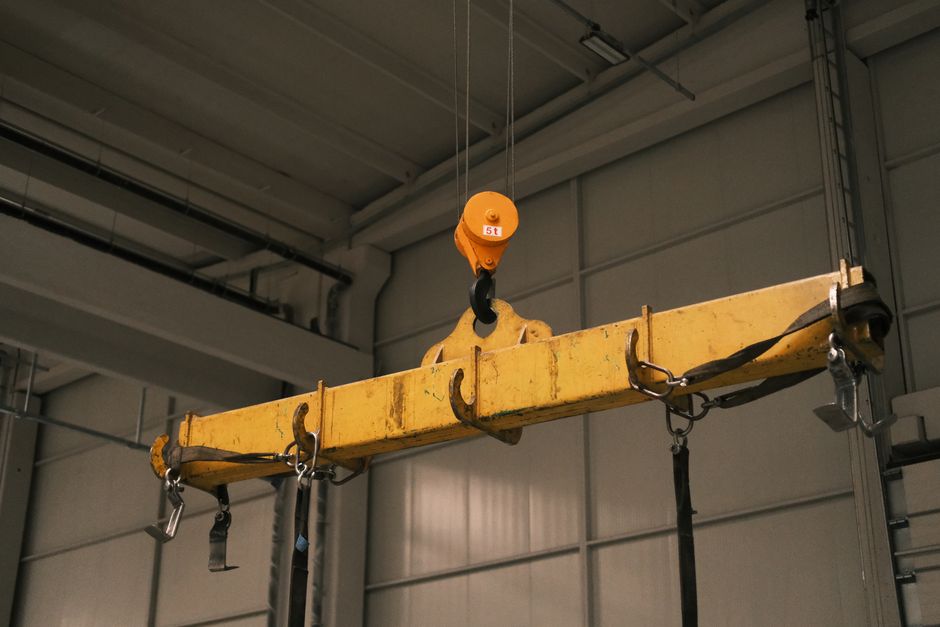
- Specialized acoustic treatment Heavy-duty technical rigs High-density electrical panels and cabling Precision cooling solutions Backup power systems
Because the fit-out cost is so significant, tenants sign long leases with landlords officefinder.com who understand and support these demands — and structure leases that reflect the mechanical and electrical intricacies involved.
Non-Negotiables: Clear Height & Floor Loading
From my experience placing technical teams, these two deal killers are top of mind early in the process. Before anything else, you need:
- Clear Height: Minimum 3.5 meters (approx. 12 feet) clear height. Why? Studios need space for lighting rigs, cable trays, and overhead HVAC ductwork without impeding the floor area. Floor Loading: Studios use heavy equipment — servers, broadcast desks, camera rails, and racks that can approach 500 kg per square meter or more. Many standard offices max out at 250 kg/m², so studios need structural assurances.
Ignoring these thresholds will doom a deal before it's even on paper. When I’m advising landlords or occupiers, a quick check of floor loading specs and structural drawings is a must-have.
Electrical Capacity: The Heart of a Broadcast Studio
Far too often, listings are branded “perfect for studio” but don’t mention power specs. That’s a red flag. Let’s get blunt:
- High electrical capacity is critical — think 50+ kVA per floor for small studios, scaling to hundreds of kVA for large multi-floor operations. Single-line electrical diagrams — ask for them early. They clarify voltage, phases, distribution panels, and breaker ratings. Access to risers and the ability to upgrade or modify incoming power feeds is essential.
A serious broadcast tenant will need a robust electrical infrastructure designed to handle:
- UPS critical load Generator backup Electrical redundancy Cooling for heat load
Electrical Redundancy & Backup Power Systems
When seconds of downtime cause millions in lost revenue and security breaches, redundancy is king. Most studios have a layered approach:
Uninterruptible Power Supply (UPS): This is the first line of defense against power interruptions. The UPS system supports all critical loads — from broadcasting consoles to server racks — ensuring clean power even through brownouts and transient events. Generator Backup: In the event of prolonged outages, on-site diesel or gas generators take over. They’re sized to power the full studio or essential emergency loads for hours or days as needed.Both UPS and generators must be regularly tested and integrated into building systems. I always push landlords and tenants to confirm maintenance schedules for these assets before sign-off.
UPS Critical Load: What Does That Mean?
Not all power circuits get hooked to the UPS. Critical loads include:
- Broadcast equipment Control room consoles Server rooms Security and communications systems
The UPS system usually handles these with battery-backed inverters, providing instant backup without disruption. The electrical design ensures that less critical loads (lighting, HVAC non-essential loads) can be dropped during emergencies to extend battery runtime.
Cooling for Heat Load: The Often Overlooked Essential
High-power electronic equipment produces lots of heat. If the cooling system is undersized, the risk is equipment failure and degraded signal quality. Here are the essentials:
- Dedicated HVAC: Broadcast suites require carefully calibrated airflows and temperature controls. Often, these operate independently from the rest of the building. Redundant chillers and cooling units: Similar to electrical redundancy, cooling systems need backups to avoid overheating. Precision environmental controls: Humidity control is as important as temperature for sensitive electronics.
When negotiating leases or fit-out budgets, never underestimate how much mechanical infrastructure a broadcast floor requires. This goes hand-in-hand with electrical loads — high power draw means high heat generation.
Summary Checklist for Landlords & Occupiers
Key Factor Minimum Expectation Potential Deal Killer Clear Height 3.5 meters / 12 feet Lower heights limit rig mounting & HVAC routing Floor Loading 500+ kg/m² Weak slab cannot carry heavy racks and equipment Electrical Capacity 50+ kVA per floor or more, 3-phase power Insufficient supply or weak riser access UPS Critical Load Batteries sized for several minutes of clean power No UPS or poorly maintained UPS batteries Generator Backup On-site with fuel supply for hours No generator or access to fuel Cooling & HVAC Dedicated, redundant units with environmental controls Standard office HVAC undersized for heat loadFinal Thoughts
If you’re an occupier in broadcasting or a landlord targeting these specialist tenants, articulate and verify power and mechanical systems early. Unlike generic leases that treat alterations as “optional,” studio fit-outs are deep, precise, and critical — not just a nice-to-have.
Companies like OfficeFinder have publicly recognized this niche by tailoring their listings toward studios and tech-heavy tenants, although beware of listings boasting “great studio space” without any power specs. Demand electrical single-line diagrams upfront.
More so, tenants such as MrQ, operating in regions with strict oversight from entities like the Gambling Commission, require near-zero downtime. Investing in UPS critical load infrastructure, generator backup systems, and precision cooling is non-negotiable.
In the end, understanding these technical necessities marks the difference between a successful, long-term tenancy and a costly misfire. Broadcast studios are transformation engines in commercial leasing — but you need to engineer your property strategy to match their rigorous requirements.