I’ve spent eleven years in the trenches of urban real estate. I’ve seen the industry transition from grainy, wide-angle lens photos on printed flyers to a hyper-competitive, algorithm-driven ecosystem where a home’s “vibe” is its most valuable asset. If you think buyers are still walking into an open house with a tape measure and a list of square footage requirements, you’re missing the revolution.
Social media hasn’t just changed how we market properties; it has fundamentally altered what buyers expect from a home. We are no longer selling four walls and a roof. We are selling a digital aesthetic, a lifestyle, and a backdrop for the buyer’s personal brand.
The “Instagram Effect”: Why Architecture and Design Accounts Have Raised the Bar
In the past, a listing description could get away with fluff like “spacious layout” or “charming details.” Today, a buyer who spends their evening scrolling lifestyle flexibility through Architectural Digest, Dwell, or high-end interior design influencers on Instagram is going to see right through that.
These buyers have been conditioned by high-end interior design accounts. They expect professional lighting, curated styling, and architectural integrity. When they see a listing that uses a dark, dingy hallway as a transition space—well, that’s where I lose my patience. I have a running mental tally of how many listing photos feature a dark, unlit hallway. If the number is higher than one, I don't trust the listing. Why? Because it suggests the seller or agent doesn't understand that a home is a series of light-filled experiences, not just a floor plan.
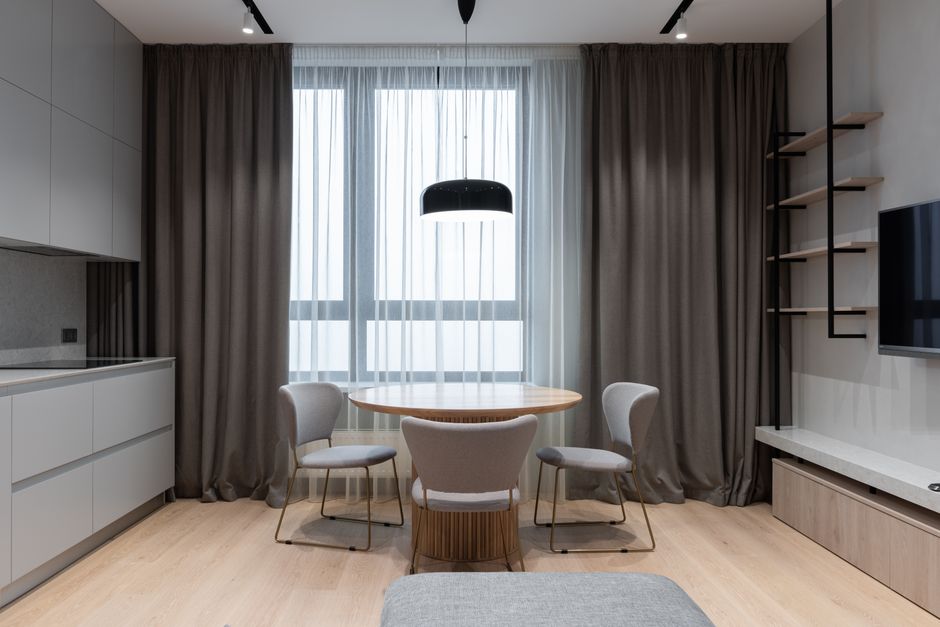
Architecture publications have pushed the mainstream public to value form just as much as function. Buyers now walk into a property looking for the "hero shot" potential. They aren't just checking if a sofa fits; they are checking if the living room is a "grid-worthy" space that reflects the aesthetic they’ve been curating on their own feeds.
Beyond the Square Footage: Lifestyle as the New Metric
One of my biggest professional pet peeves is the obsession with square footage as the primary value proposition. Square footage is a data point; lifestyle is a selling point. On platforms like Facebook and Instagram, visual storytelling trumps raw numbers every time.
When you present a listing, the focus should be on the *utility* of the space for the modern resident. Does the open-concept layout allow for a seamless transition from a morning coffee nook to an evening hosting space? That’s what sells. Buyers are no longer looking for the biggest footprint; they are looking for the most flexible one.
The "Laptop Test": Where Does the Work Happen?
Whenever I tour a property with a client, I stop in every room and ask one question: "Where would the laptop go?"

Remote and hybrid work have made this a non-negotiable expectation. It’s no longer about having a dedicated office room; it’s about having a dedicated *flow*. Can the space accommodate a desk that doesn't look like an afterthought? Does the lighting support a video call? If you’re marketing a condo, you need to show that it’s a high-functioning live-work environment. If you don't stage a workspace, the buyer will simply assume they have to sacrifice their dining table to get their work done.
The Loft Renaissance: Why Character Wins on the Feed
If there is one property type that truly thrives in the social media era, it is the loft. Why? Because lofts inherently have what everyone is scrolling for: natural light, exposed materials, and open, unscripted layouts.
Lofts allow for a level of design flexibility that cookie-cutter condos simply cannot match. On Instagram, a loft is a blank canvas. The high ceilings and large industrial windows provide the perfect dramatic lighting for photography. For the younger, creative-class buyer, a loft isn't just an apartment—it's a statement about their identity. They value the character of exposed brick or concrete columns over the pristine, sterile "new construction" look. They want a space that feels lived-in, authentic, and historically relevant.
Feature Old School Approach Social-Era Strategy Primary Focus Square footage & price per foot Aesthetic potential & lighting Staging Furniture to define rooms Curated vignettes for content Digital Presence Basic MLS photos Reels, lifestyle clips, "Laptop Test" angles Descriptions Adjective-heavy fluff Narrative-driven lifestyle valueThe Digital-First Search: The Speed of Comparison
Social media has trained buyers to be incredibly fast at comparing and discarding options. A buyer scrolls through their Facebook feed, sees a listing, and makes a judgment in under three seconds. If your lead photo isn't an "elevated" shot that promises a better version of their current life, they will keep scrolling.
This digital-first approach means your listing photos are effectively the "trailer" for a movie. If the trailer is poorly lit or cluttered, the buyer assumes the movie is a flop. I spend a lot of time advising sellers on small fixes that photograph better than they cost. A coat of neutral paint, replacing dated hardware with matte black or brushed brass, or swapping out old light fixtures for modern silhouettes—these are low-cost, high-impact moves that change the perception of the home entirely.
Actionable Takeaways for Sellers and Agents
To succeed in a market where buyer expectations are shaped by global design influencers, you must be intentional:
Prioritize Lighting: Light is the single most important factor in a photograph. If you have a room that is naturally dark, use high-quality staging lights. Don't hide the dark hallways; fix the lighting in them. Stage for Work, Not Just Living: Every property, regardless of size, needs a defined "laptop zone." Make it look intentional, not like a temporary folding desk in a corner. Cut the Fluff: If your listing description says "spacious" but the photos show a cramped room, you’ve lost the buyer’s trust. Be honest, highlight the architecture, and describe the lifestyle the home supports. Understand the Neighborhood Context: Generic advice fails because every neighborhood has a different soul. An industrial loft in a gritty neighborhood needs a different aesthetic approach than a mid-century home in a suburban district. Leverage the local vibe in your marketing.Conclusion
Social media has not made real estate shallow; it has made it more demanding. Buyers today have access to the best interior design in the world at their fingertips 24/7. They know what good design looks like. They have high expectations, and they have the tools to compare your property to the best ones on the market instantly.
As professionals, we need to stop selling properties as mere shelter and start presenting them as curated lifestyle experiences. Whether it's a historic loft or a modern mixed-use condo, the goal remains the same: create a space so beautiful and functional that the buyer can see themselves living there the moment they double-tap the screen.