I have sat across the closing table from enough nervous sellers to know one thing Extra resources for certain: the roof is almost always where the deal begins to bleed. In my twelve years of navigating North Texas real estate, I have learned that the roof, the HVAC, and the foundation are the "Big Three" deal-killers. If you want to sell your home with as little friction as possible, you have to stop playing the guessing game.
Every time I walk into a house with a seller for the first time, my immediate internal monologue is always the same: "What will the inspector write up?" If you don't know the answer to that, you aren't ready to list. Many sellers are tempted to just put a sign in the yard and hope the buyer’s inspector is lenient. Spoiler alert: they never are.
The Texas Climate: Why Your Roof is a Ticking Clock
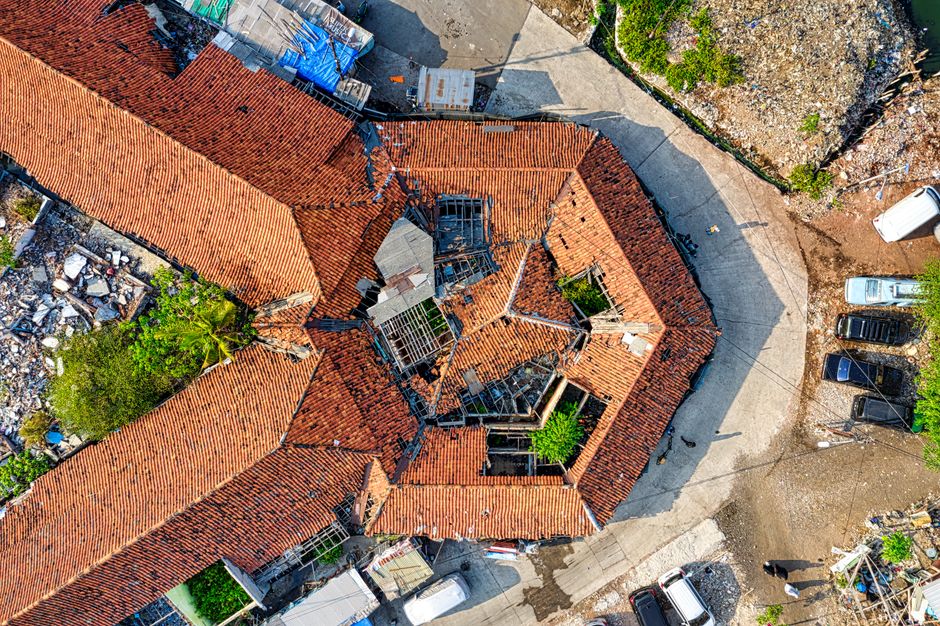
Living in North Texas means living in a constant state of atmospheric battle. We have the brutal, unrelenting summer heat that bakes shingles until they become brittle, and we have the spring hail seasons that turn perfectly good roofs into insurance liabilities overnight. If you haven’t had a professional look at your roof in the last two years, you are essentially flying blind.
When I talk https://smoothdecorator.com/what-should-i-fix-on-the-roof-before-the-photographer-comes/ to my colleagues on ActiveRain, the consensus is universal: homes with documented roof health sell faster and with fewer post-inspection concessions. Buyers in this market are savvy—or rather, they are terrified of unexpected costs. When they see a roof, they aren't looking at the aesthetics; they are looking at the remaining life expectancy and the impending insurance battle they will have to fight.
"Recently Updated" Is Not a Strategy
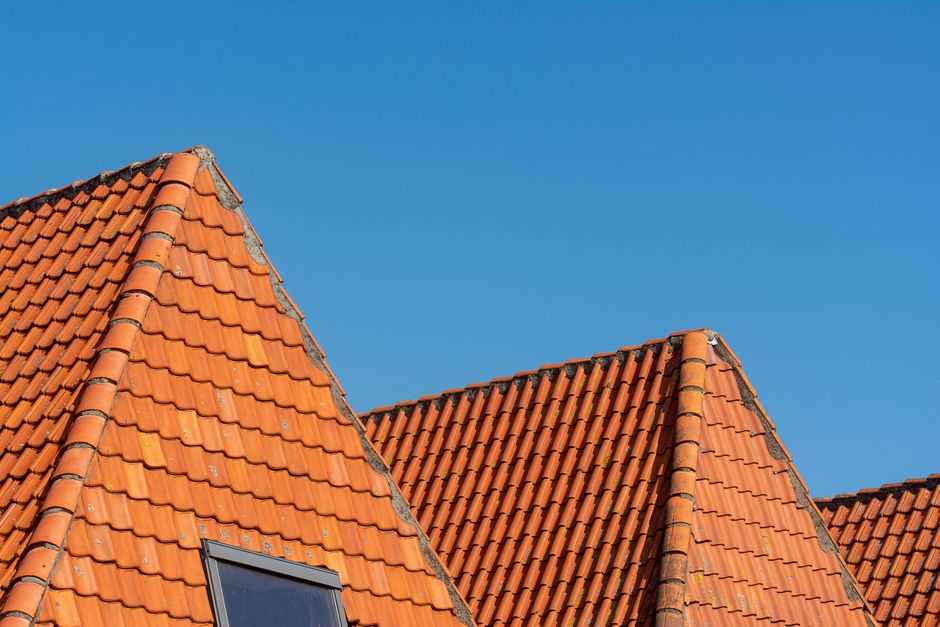
One of my biggest pet peeves in this industry is the vague listing description. You know the one: "Recently updated roof." What does that even mean? Was it updated in 2015? 2022? Did they pull a permit? Was it a full tear-off or just a patch job?
Buyers today have access to information that sellers sometimes forget exists. They look at satellite imagery; they look at building permit databases. If you claim the roof is "recently updated" but have no documentation to back it up, you aren't building trust; you are creating an immediate point of suspicion. A pre listing roof inspection turns that vague marketing fluff into a concrete asset.
How a Roof Inspection Acts as a Negotiation Trigger
Let’s talk about the dreaded "Notice of Buyer’s Termination of Contract." In Texas, the option period is where deals go to die. A buyer pays for an inspection, the report comes back with photos of curled shingles or rusted flashing, and suddenly, they are demanding a $15,000 credit or a brand-new roof installation. You, as the seller, are now in a panic.
By getting a professional assessment done *before* you list—preferably by a reputable local group like Fireman’s Roofing Texas—you control the narrative. You have the documentation. You know exactly what the inspector is going to say, and you can either fix the minor issues beforehand or adjust your list price to account for the roof’s condition. You eliminate the "negotiation trigger" because the roof is no longer an unknown variable.
Insurance Underwriting: The Hidden Cost
Most sellers don't realize that their roof is a major factor in the buyer’s ability to get affordable homeowners insurance. Insurance carriers in Texas have become extremely strict regarding roof age and condition. If a buyer's insurance company sends an inspector out and deems the roof to be in poor condition, the buyer may be denied coverage or forced to pay a massive premium.
If they can't get affordable insurance, they can't get a loan. If they can't get a loan, your deal falls through. This is why having a proactive inspection report—showing that the roof is well-maintained or recently certified—is a massive selling point. It provides the buyer with seller peace of mind, knowing that their insurance application won't hit a wall at the eleventh hour.
Preparedness: Lessons from FEMA
I spend a fair amount of time reading through FEMA preparedness guides, not just for disaster planning, but because they provide a gold-standard benchmark for what constitutes a "resilient" home. FEMA highlights the importance of roof deck attachment and secondary water barriers. While you might not need to upgrade your entire structure to those standards, understanding what is considered "high risk" helps you understand why an inspector might flag your home.
If you live in an area prone to high winds or storm activity, having documentation that your roof meets modern installation standards can be the difference between a high-priced offer and a low-ball one.
The Pre-Listing Inspection Comparison
To help you understand why this investment is worth it, I’ve put together this quick comparison of how a transaction plays out with versus without a pre-listing inspection.
Feature Without Pre-Listing Inspection With Pre-Listing Inspection Negotiation Power Buyer holds the leverage Seller holds the facts Renegotiations High likelihood of surprise credits Significantly reduced risk Closing Speed Delayed by insurance/repair checks Faster, smoother process Buyer Confidence Low (skeptical of "updates") High (backed by documentation)What You Should Do Right Now
If you are planning to sell your home this year, stop waiting for the buyer to tell you what is wrong with your house. Take these steps to ensure you aren't blindsided:
Find your records: Gather every invoice, permit, and warranty document you have from the last 15 years. If you can’t find them, assume they don’t exist. Schedule a professional assessment: Contact a firm that specializes in local conditions. I always suggest bringing in experts like the team at Fireman’s Roofing Texas to look for specific red flags like hail damage, nail pops, and failing underlayment. Repair vs. Credit: Decide before you list. If the roof has five years of life left, do you want to replace it to get a higher price, or are you willing to take a price reduction? Make the decision on *your* terms, not in a frantic email chain during the option period. Be Transparent: Include the inspection report in your Seller’s Disclosure. Being honest about the condition of the roof removes the fear of the unknown for the buyer.Final Thoughts: Avoiding the Renegotiation Trap
At the end of the day, your goal is to get to the closing table without feeling like you've been taken to the cleaners. Every time I see a seller get hit with a $10,000 repair request for a roof they thought was "fine," I know that it could have been avoided.
A pre listing roof inspection is not just a box to check; it is a shield. It protects your equity, it validates your pricing, and it keeps the transaction moving forward. Do not rely on your own assessment or a "handyman's" glance. Hire a professional, document everything, and take control of the narrative. Your future self—and your bank account—will thank you.
If you are still wondering what your inspector is going to find, pick up the phone and talk to a professional today. Don't wait for the buyer to do it for you.