It’s 2:00 PM in St. George. The thermometer on my patio just hit 106°F, and my phone is buzzing. It’s a client from a closing we did three years ago. Their AC unit—the one that seemed to be humming along perfectly—just started blowing hot air. In our neck of the woods, this isn't just a "minor inconvenience"; it’s a localized emergency. I’ve been helping folks buy and sell homes here since 2011, and if there is one thing I’ve learned, it’s that the desert environment is an absolute beast on HVAC systems.
When you’re staring at a dead unit while the heat index is soaring, the panic is real. But before you panic-buy a new system or wait three days for a technician who won't commit to a timeline, let's talk about the hard realities of AC repair in July and how to make that emergency HVAC decision without losing your shirt (or your sanity).
The July Reality: Why St. George Heat Changes the Math
I always tell my buyers: in Southern Utah, your HVAC unit works double-time. Because of our extreme heat and the fine, abrasive dust that blows in during our windstorms, these systems suffer from "desert wear-and-tear" faster than units in cooler climates. If you’re asking about repair vs replace in heat, the context matters more than the age of the unit.
In mid-July, the HVAC industry in Washington County is pushed to its absolute limit. If your unit is under 10 years old and the repair is a simple capacitor or a contactor, it’s almost always a repair job. But if your compressor has failed, or you’re dealing with a Freon leak in an old R-22 system, the calculus changes. R-22 is expensive, often unavailable, and https://bestutahrealestate.com/news/st-george/resources/top-ac-companies-in-st-george-for-homebuyers inefficient. Replacing the coolant is a band-aid that usually bleeds money.
Repair vs. Replace: The Decision Matrix
I keep a mental tally of when a repair makes sense versus when you’re just throwing good money after bad. Use this table as a rough guide, but remember: always get a solid quote that doesn't dance around the scope of work.
Factor Consider Repair Consider Replacement Age of Unit Under 10 years 12-15+ years Repair Cost Less than 30% of unit value Over 50% of unit value Refrigerant Uses R-410A (or newer) Uses obsolete R-22 Frequency One-off issue Third repair in two yearsWho Do You Call? The Importance of the "After-Hours" Policy
If you know me, you know I have a running shortlist of trades in my phone. My biggest pet peeve? Contractors who dodge the question about emergency response windows. If I call a company and they can't tell me, "We have a technician on-call 24/7 with a 4-hour response window," I don't save the number. You need people who understand that in July, "maybe tomorrow" isn't an answer.
Family-Owned vs. Large Operators
I tend to lean toward family-owned operations. Why? Because when you’re in a pinch at 8:00 PM on a Tuesday, the accountability factor is usually higher. Larger chains often have tiered dispatch systems that can leave you waiting behind a hundred other callers. I’ve had great experiences working with local pros who actually care about their reputation in the St. George market.
When you're vetting a company, make sure to ask these specific questions:
- "What is your actual turnaround time for emergency service during the peak of July?" "Is your pricing flat-rate, or is it open-ended hourly?" (I hate vague pricing; I need to know the scope before a wrench turns.) "Do you have a dedicated after-hours technician, or is it just an answering service?"
In our area, I consistently see strong performance and transparency from Element Plumbing, Heating & Air, Dash Heating, Air, Plumbing & Electric, and Davis Air Tec. These companies have shown they can handle the localized demand, though you should always check their current capacity—even the best contractors can get overbooked when the triple-digit heat kicks in.
Avoiding the "Over-Promising" Trap
Beware the contractor who tells you they can have a full system swap installed "tomorrow morning" in the middle of a heatwave. Replacing a full HVAC system in the heat is dangerous for technicians and technically demanding. Quality installation takes time. If someone promises you the world during peak season, they might be cutting corners on the vacuuming process or the electrical connections. Both of those mistakes will kill a new unit in two years, leaving you with even more "desert wear-and-tear."
Pro-Tip for Homebuyers: The Pre-Purchase Inspection
If you are currently looking at homes on our Best Utah Real Estate site, pay extra attention to the Home Maintenance category. If you’re buying in June or July, do not—I repeat, do not—skip an HVAC-specific inspection. A general home inspector will turn the AC on and check the temperature differential (the delta). That’s not enough. You want a specialized HVAC tech to check the capacitor age, the refrigerant levels, and the cleanliness of the coils.
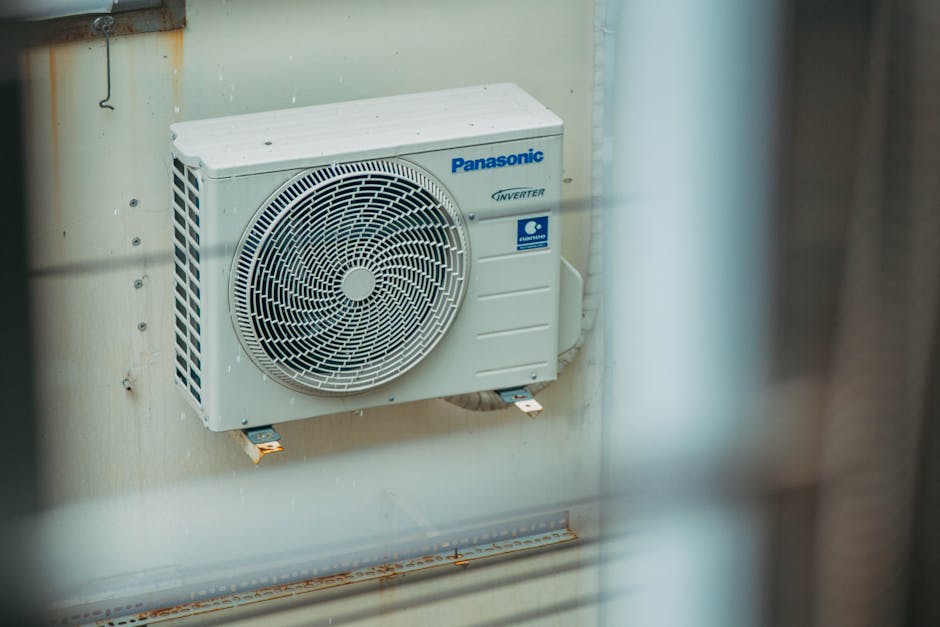
I’ve seen too many buyers move in, turn the thermostat down to 72°F in August, and have the system seize up within 48 hours because the previous owner hadn't changed a filter in a year and the coils were choked with dust.
Final Thoughts: Stay Cool, Stay Informed
When the unit fails, take a breath. Don't be afraid to ask for a breakdown of the repair costs versus a full replacement estimate. If a company can't give you a clear scope of work or tries to pressure you into a massive expense without explaining the *why*, thank them for their time and move to the next name on your list.
If you have more questions about home systems or how to navigate the St. George market, check out more tips over on our Home Maintenance blog category. We’re here to make sure you stay comfortable, no matter what the thermometer says.
Did you find this helpful? Share it with your neighbors who might be sweating it out today!

Twitter | Facebook | LinkedIn